Goal Setting and Goal Getting: Why Creating and Achieving Goals Matters for Personal and Professional Growth
Setting and achieving goals is not just a personal development exercise. It is a foundational practice that shapes performance, culture, and long-term success inside organizations.
Whether you are a business owner, people leader, or HR professional, the way goals are defined, supported, and executed directly impacts engagement, accountability, and growth. When goals are clear and aligned, individuals think more independently, teams operate with focus, and organizations move forward with purpose.
We break down why goals matter and introduce a practical three-stage framework for managing them: Goal Setting, Goal Getting, and Goal Winning.
Why Goals Matter
Encourages Independent Thinking
Clear goals empower people to think critically about what they are responsible for achieving and why it matters. In the workplace, this creates ownership rather than dependency and supports stronger decision-making at every level.
Builds Confidence and Self-Trust
Progress toward a goal reinforces confidence. Each completed milestone strengthens self-trust and motivates continued effort, which is essential for sustained performance and leadership development.
Identifies Strengths and Misalignment
Goals surface strengths quickly. They also reveal where effort may not align with natural skills or interests, allowing leaders and organizations to redirect energy more effectively.
Supports a Growth Mindset
Goal pursuit requires adaptation. Individuals and teams learn how to respond to challenges, build resilience, and develop new capabilities over time.
Creates Focus and Prioritization
Time and attention are limited. Goals provide a filter for deciding what deserves focus and what does not, helping organizations avoid distraction and burnout.
The Three Stages of Goal Management
Goal Setting: Defining the Want
Goal setting is the attraction stage. It is where intention is clarified and purpose is defined.
At this stage, the goal must be specific, meaningful, and connected to a clear outcome. In organizations, this means ensuring that individual goals support broader business objectives rather than competing with them.
Key considerations:
- Why does this goal matter
- What does success look like when the goal is achieved
- How does this goal align with personal values or company priorities
- Is the goal authentic and within your control
Effective goal setting requires alignment between motivation and intention. When people understand the purpose behind a goal, commitment increases.
Goal Getting: Alignment and Execution Planning
Goal getting is where intention turns into structure. This stage focuses on aligning wants with needs and translating goals into action.
In organizations, this includes role clarity, resource alignment, and realistic expectations. Individuals must understand how their goals connect to team, department, and company priorities.
Key actions in this stage:
- Break goals into measurable milestones
- Identify required habits and behaviors
- Define roles, responsibilities, and resources
- Establish timelines and checkpoints
- Build accountability through communication and support
Key questions to ask:
- What specifically needs to be accomplished
- Who is involved and accountable
- What does progress look like at each stage
- What constraints or resources need to be addressed
- How will momentum be maintained
Writing goals down and reviewing them regularly significantly increases follow-through. Sharing goals with trusted leaders or peers adds accountability and clarity.
Goal Winning: Action, Monitoring, and Momentum
Goal winning is the execution stage. This is where consistency, mindset, and follow-through determine outcomes.
Success at this stage depends on regular monitoring and intentional reflection. Goals should be reviewed often, not only at the end. Progress tracking allows for course correction and keeps motivation high.
Important practices:
- Monitor progress consistently
- Adjust strategies when obstacles arise
- Reinforce behaviors that support momentum
- Acknowledge progress and achievements
Celebration matters. Recognizing progress reinforces engagement and signals that effort is valued, which is critical for sustaining motivation across teams.
Key reflection questions:
- Are daily actions supporting the goal
- Does the goal still feel meaningful and relevant
- What is helping or hindering progress
- How is mindset influencing execution
Why This Matters for Organizations
Goals are not just individual motivators. They are operational tools.
When goals are aligned across leadership, teams, and individuals, organizations experience stronger engagement, clearer accountability, and more consistent performance. When goals are unclear or disconnected, frustration and inefficiency follow.
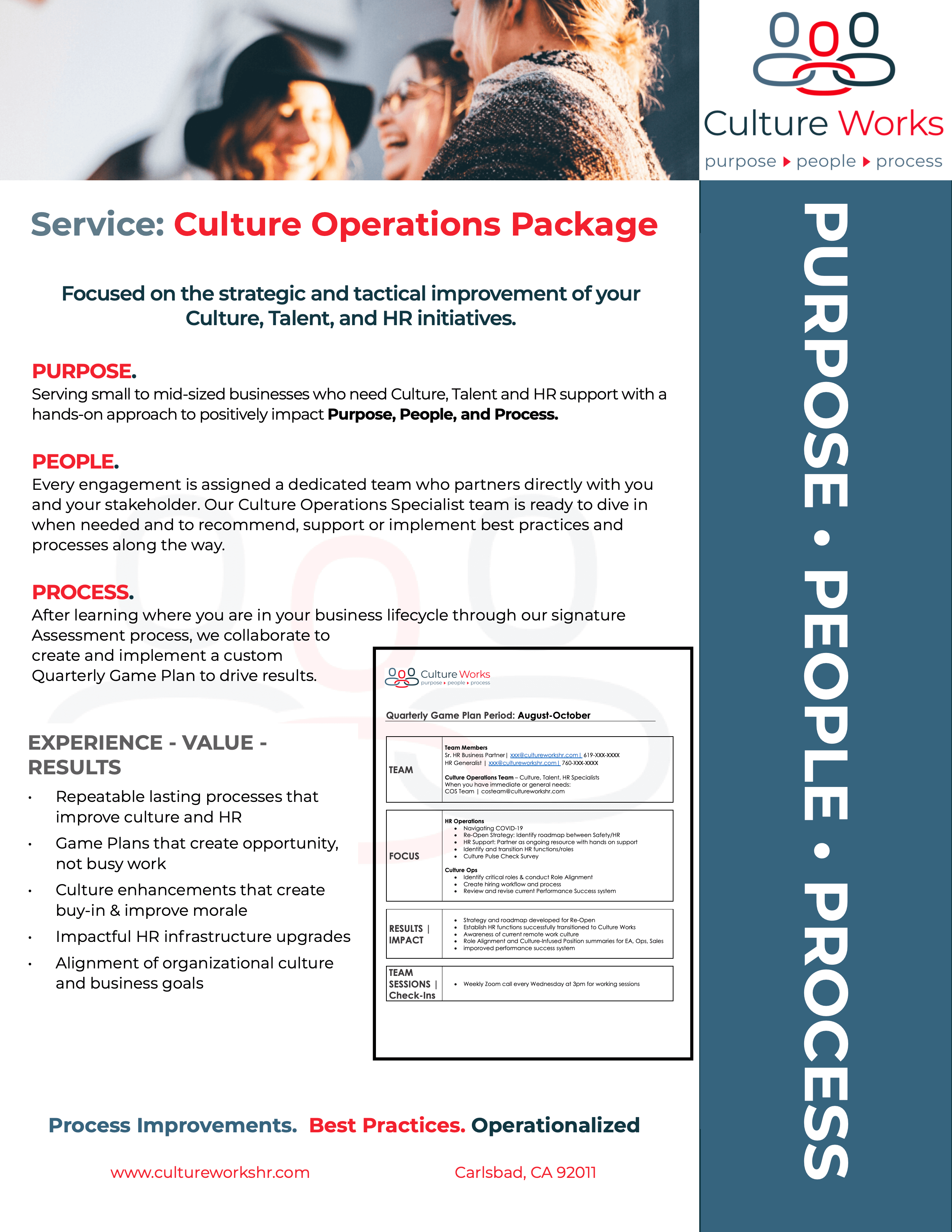
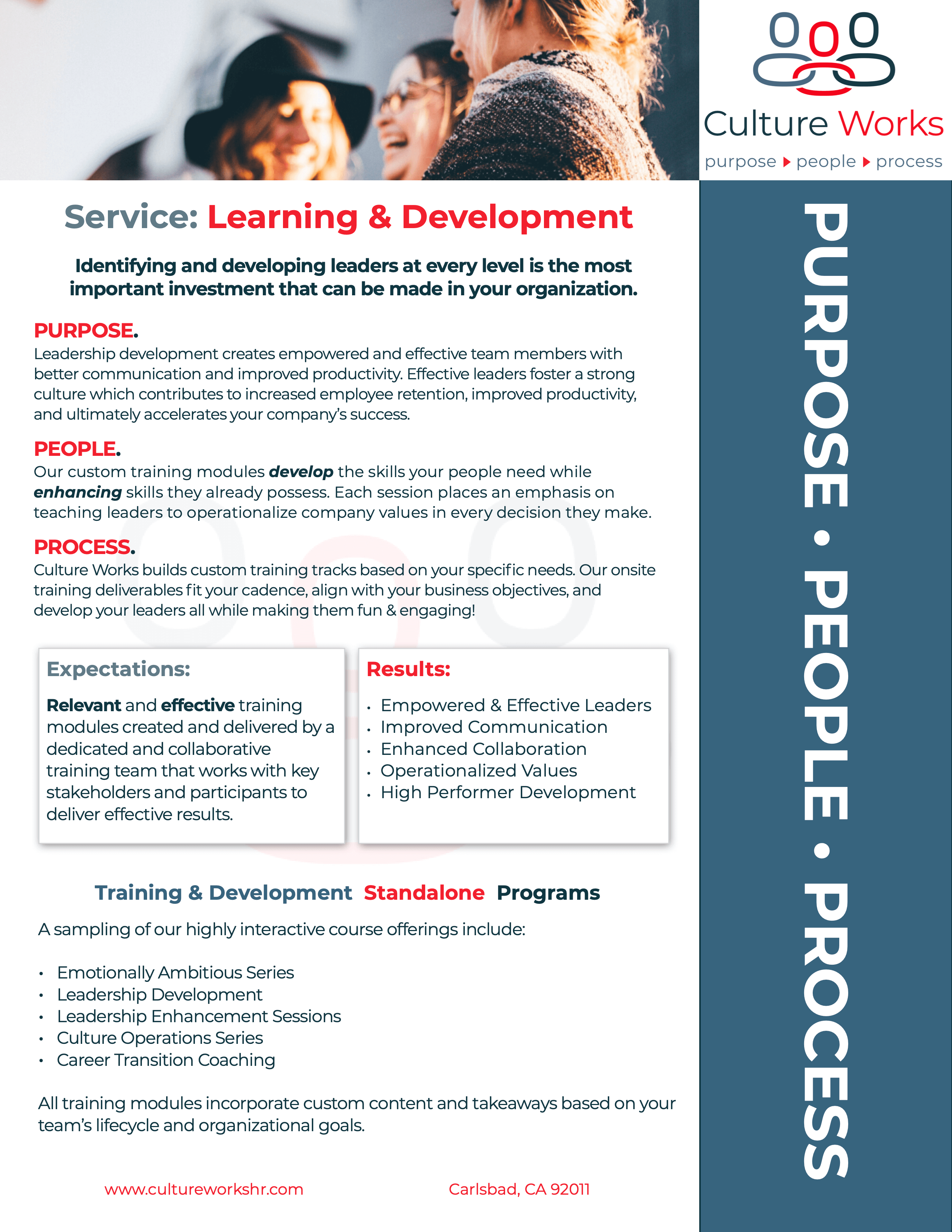
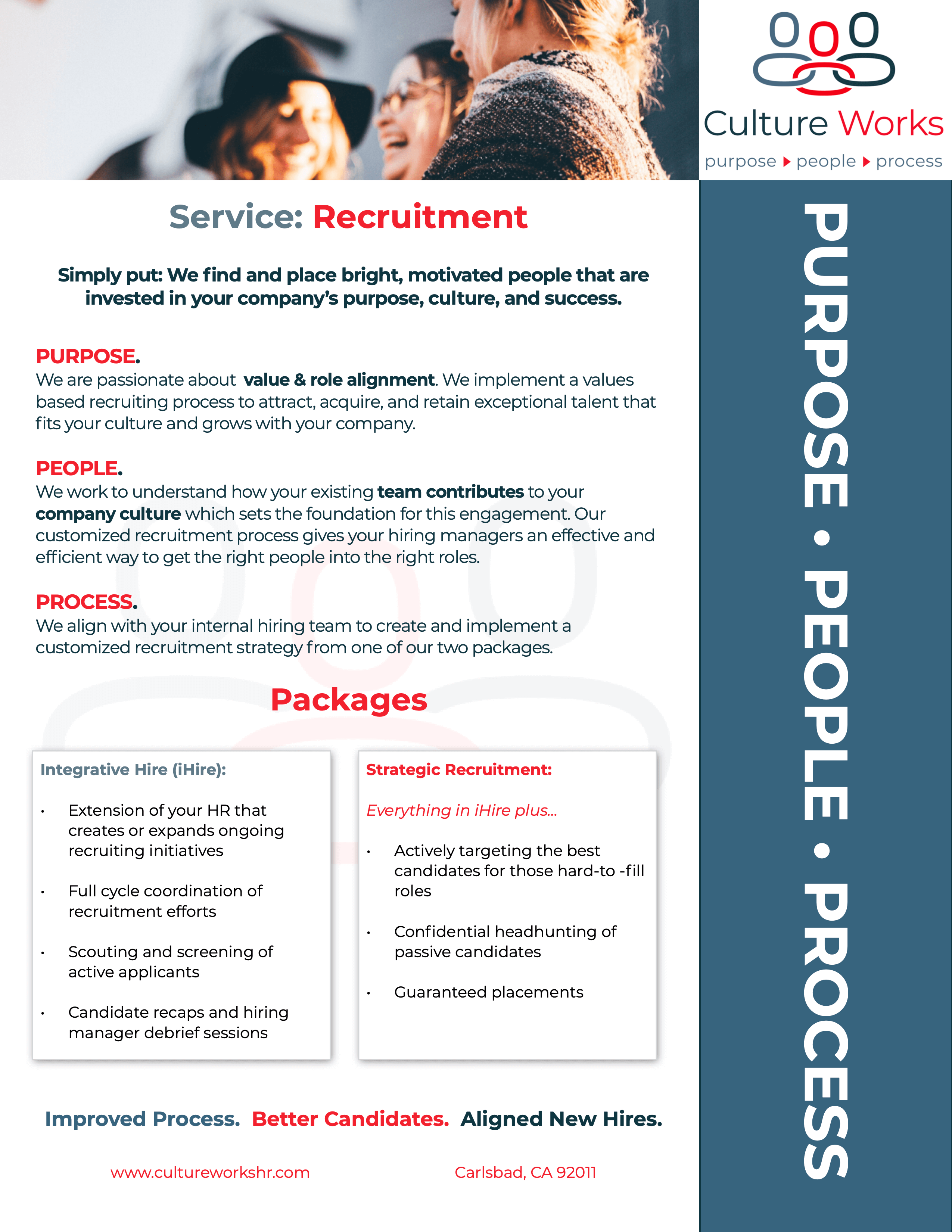
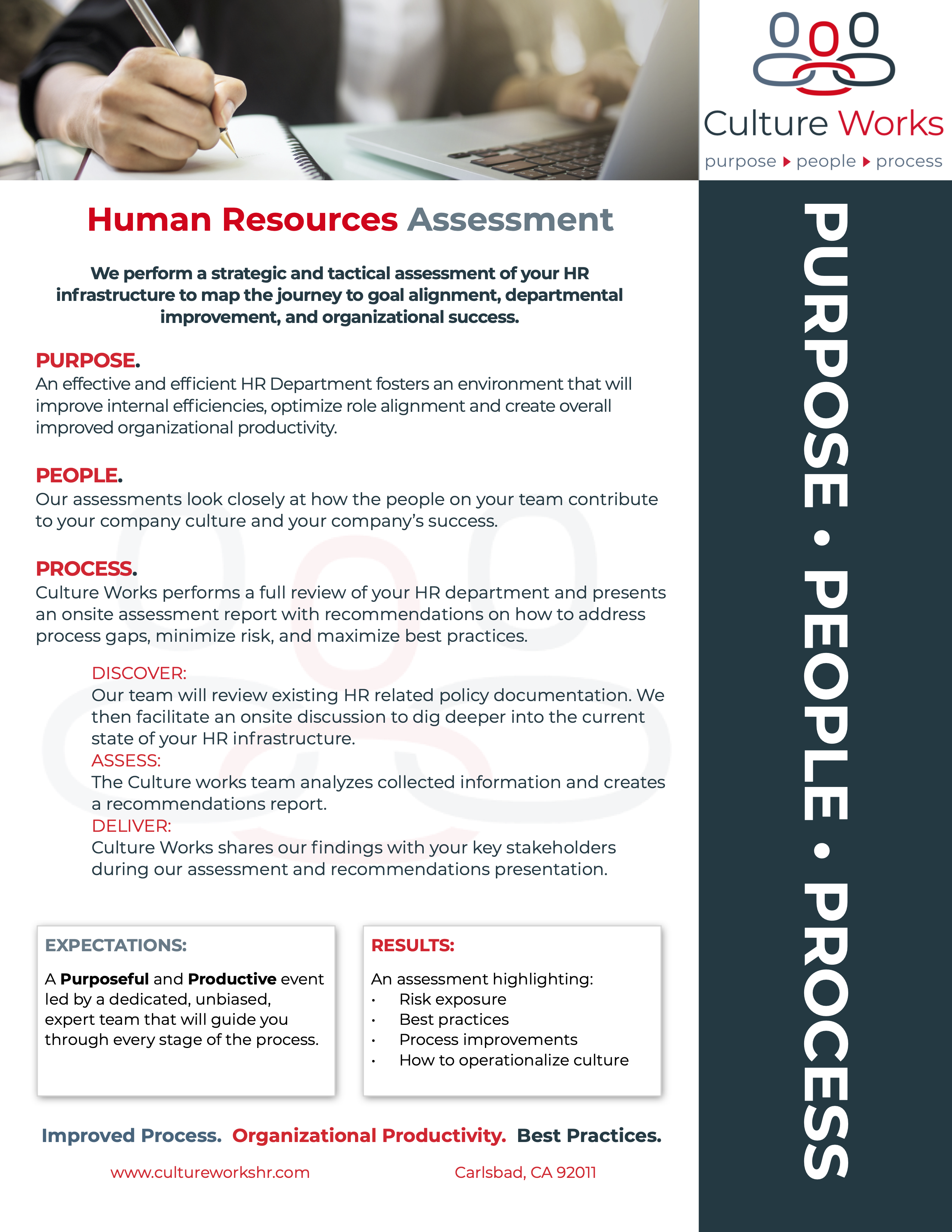
Culture Works partners with organizations to help translate goals into behaviors, systems, and processes that support real execution. This includes aligning leadership expectations, clarifying roles, and embedding accountability into everyday operations.
Need Support with Goal Alignment and Execution?
As a fractional HR partner, Culture Works helps organizations operationalize culture by connecting goals to people, processes, and performance.
We work with companies to:
- Improve internal processes
- Strengthen leadership alignment
- Develop accountable teams
- Embed purpose into day-to-day work
Our services support:
- Intentional Culture Works for businesses
- Collaborative Culture Works for employees
- Healthy Culture Works to facilitate organizational change
- Values-Driven Culture Works to increase productivity and reduce churn
Read on to learn how to align company and personal values for success.