How To Fire An Underperforming Employee (Without Getting Sued)

When an employee is underperforming, it can be tough to know how to handle the situation. While terminating their employment may seem like the best course of action, it’s important to follow proper procedures to avoid legal issues.
Hire So You Don’t Have to Fire
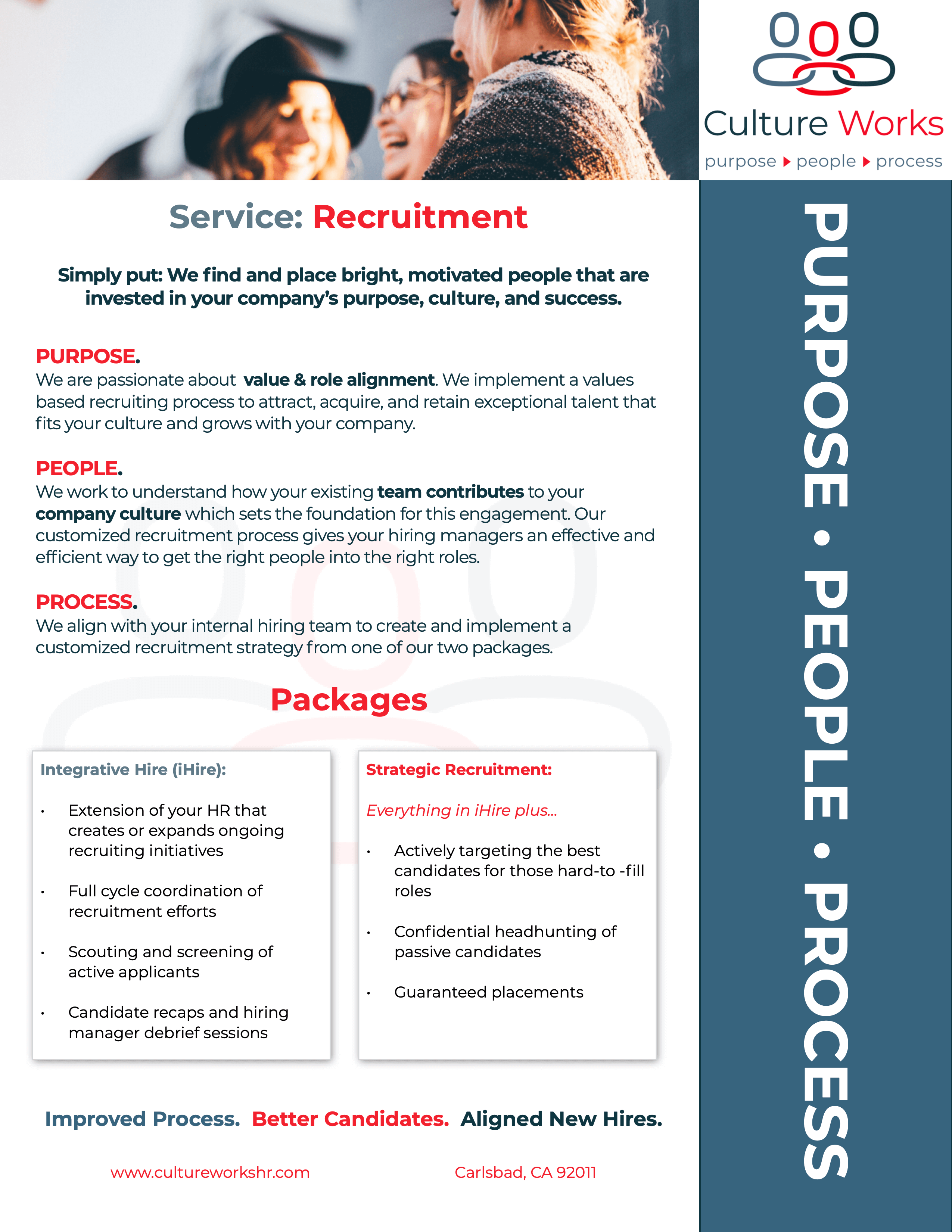
The best way to avoid having to fire someone is to hire the right people in the first place. This means creating effective job descriptions, conducting thorough interviews, and checking references and backgrounds.
To create an effective job description, focus on the specific skills and experience required for the position. Use clear, concise language to avoid confusion and make it easy for applicants to understand what’s expected of them.
During the interview process, ask open-ended questions that allow the candidate to demonstrate their problem-solving and communication skills. Take notes and compare them against the job description to ensure that the candidate meets all the necessary qualifications.
Don’t forget to check references and conduct background checks to ensure that the candidate has a good track record and is a good fit for your organization.
By taking the time to hire the right people, you can save yourself the headache of having to let someone go later on.
How to Retain Good Employees
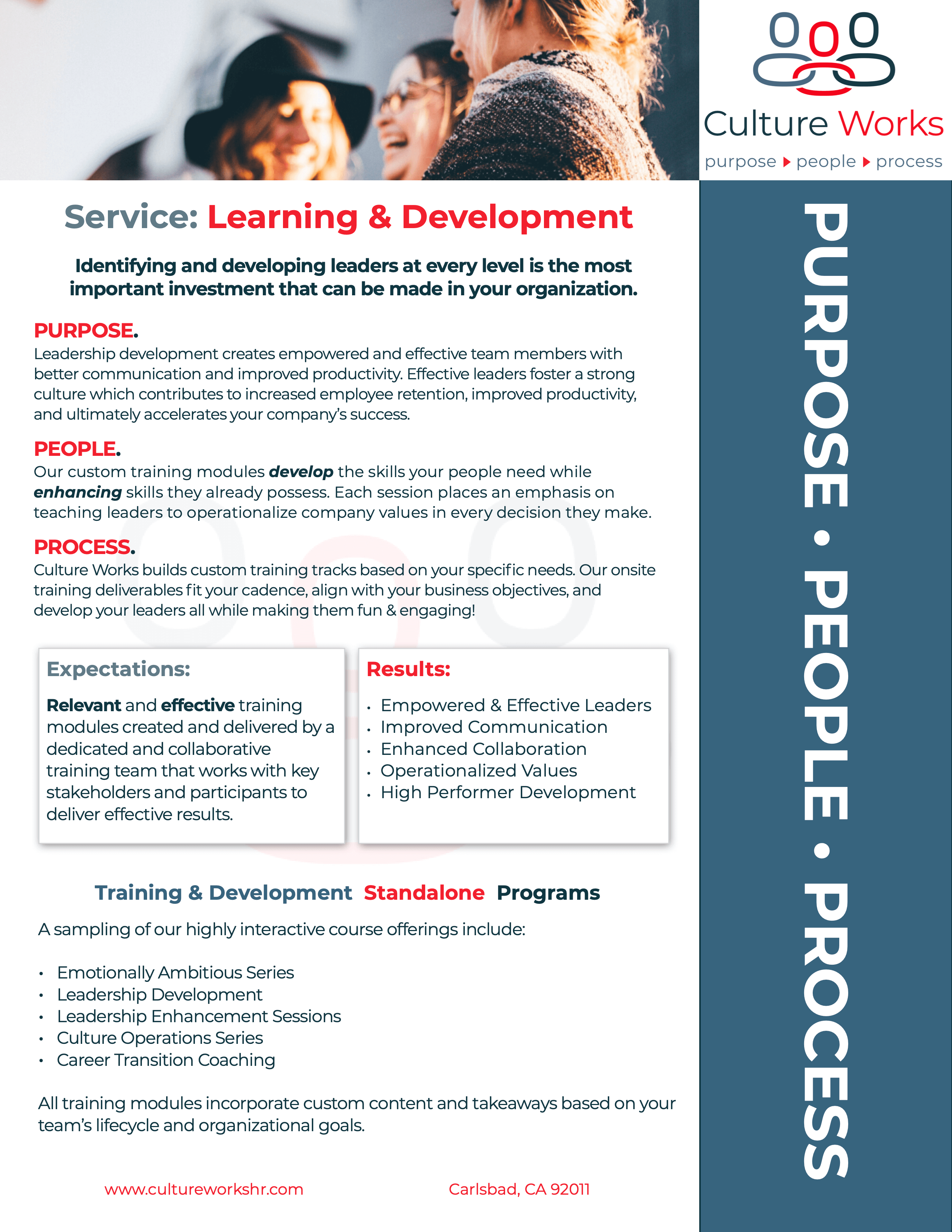
Retaining good employees is crucial for the success of any business. Not only does it reduce recruitment and training costs, but it also boosts morale and productivity. Here are some effective strategies for retaining top talent:
Offer competitive compensation and benefits: One of the most important factors in employee satisfaction is fair compensation and benefits. Ensure that your pay and benefits packages are in line with industry standards.
Provide growth opportunities: Employees want to feel like they’re advancing in their careers. Offer training and development programs to help them build new skills and advance within the company.
Recognize employee achievements: Regular recognition of employee achievements can go a long way in boosting morale and motivating employees to perform their best. Consider implementing a recognition program that rewards outstanding performance.
Hire Slow Fire Fast
The old adage “hire slow, fire fast” is more relevant today than ever. Taking the time to find the right person for the job can save you time, money, and headaches in the long run. However, when an employee is not performing, it’s important to act quickly to avoid further damage to the team or business.
To hire slow, make sure to:
- Create effective job descriptions that clearly outline job duties, expectations, and required skills.
- Conduct thorough interviews that assess both technical skills and cultural fit.
- Check references and conduct background checks to ensure that candidates are honest and reliable.
To fire fast, make sure to:
- Clearly communicate expectations and goals to employees, and provide feedback on performance.
- Document performance issues and provide opportunities for improvement.
- If improvement is not seen, terminate employment quickly and professionally to avoid any legal issues or damage to the team.
How to Have Difficult Conversations
Managing a team often requires having tough conversations with employees, but it’s never easy. Here are some tips to make the process smoother:
First, make sure you are actively listening to the employee’s concerns and perspective. Empathize with them and try to see things from their point of view. Then, provide clear feedback and discuss any issues or performance problems in a non-judgmental manner.
When giving feedback, be specific about the issue and how it is affecting the employee’s performance. Offer concrete examples and suggest ways to improve, such as additional training or support.
It’s also important to document all conversations with the employee, including any agreements made and follow-up steps. This can help avoid misunderstandings or disputes later on.
How to Fire an Underperforming Employee
Firing an employee is never easy, but sometimes it’s necessary to maintain the productivity and morale of the team. Here are some steps to follow:
Provide Clear Feedback
Before considering firing an underperforming employee, it’s important to provide them with clear feedback about their performance issues. Schedule a meeting with the employee to discuss the specific areas in which they are falling short and set goals and timelines for improvement. Be sure to document all interactions with the employee to have a clear record of the feedback provided.
Consult with HR
Consulting with HR is an important step in the termination process to ensure that you are following proper procedures and documentation. HR can provide guidance on the company’s policies and any legal considerations that need to be taken into account.
Conduct the Termination Meeting
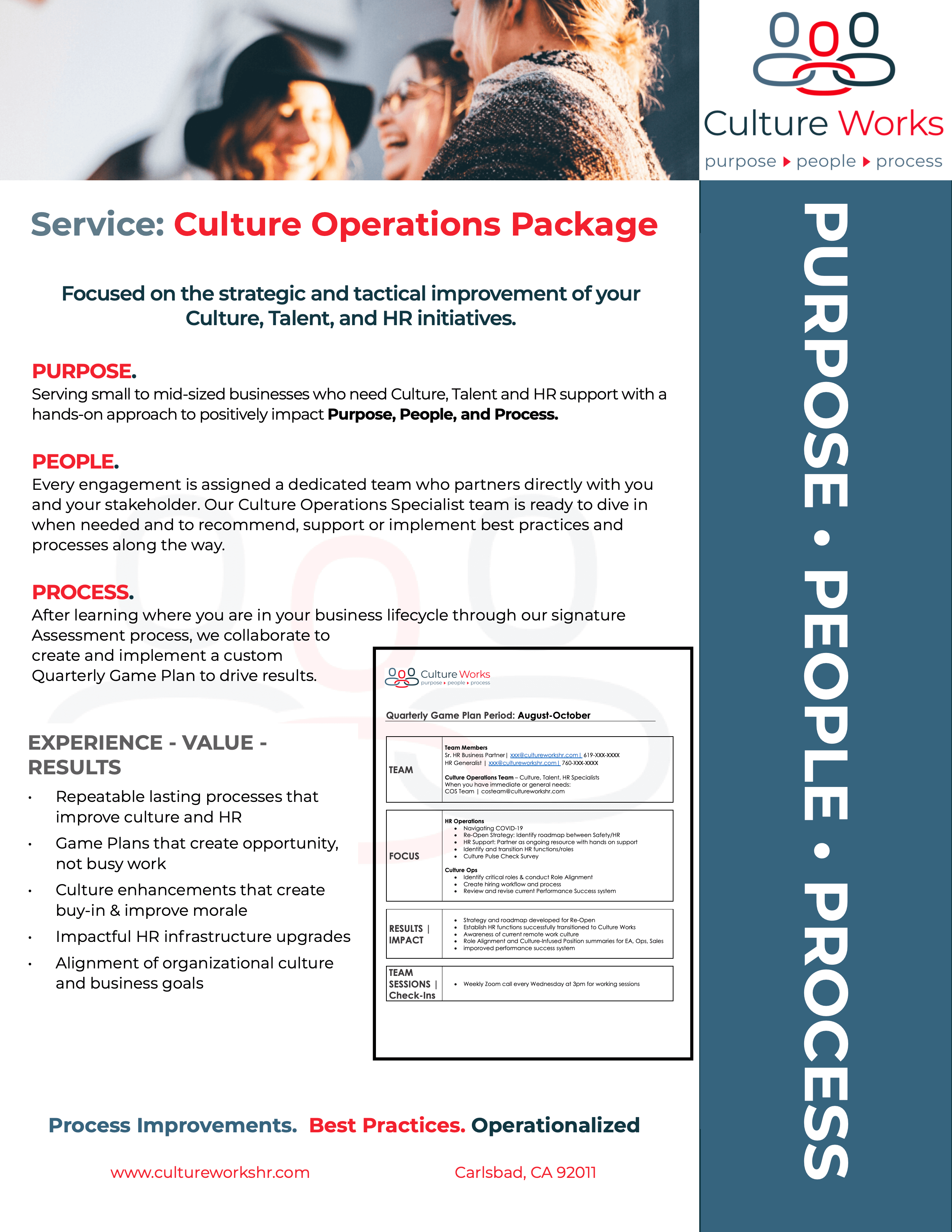
When conducting the termination meeting, it’s important to be professional and respectful. Explain the reasons for the termination and offer any support or resources to help the employee transition. It’s crucial to avoid discriminatory or retaliatory actions and to document all aspects of the termination process. Have a witness present during the meeting, and prepare a script ahead of time to ensure that you cover all necessary points.
Minimize Risk of Legal Issues
Firing an employee can be a risky process, as it can open up the possibility of legal action. To minimize the risk of legal issues, ensure that the termination is based on performance and not any discriminatory or retaliatory actions. Document all aspects of the termination process, including the reasons for the termination and any support offered to the employee.
Explore All Other Options
Firing an employee should be a last resort after all other options for improvement have been exhausted. Before considering termination, explore all other options, such as additional training or coaching, changes in job responsibilities, or providing additional support or resources.
Remember, firing an underperforming employee is never an easy decision, but sometimes it’s necessary for the productivity and morale of the team. By following proper procedures and communication, you can minimize the risk of legal issues and maintain a positive workplace culture.
Need a Little Help Hiring the Right People?
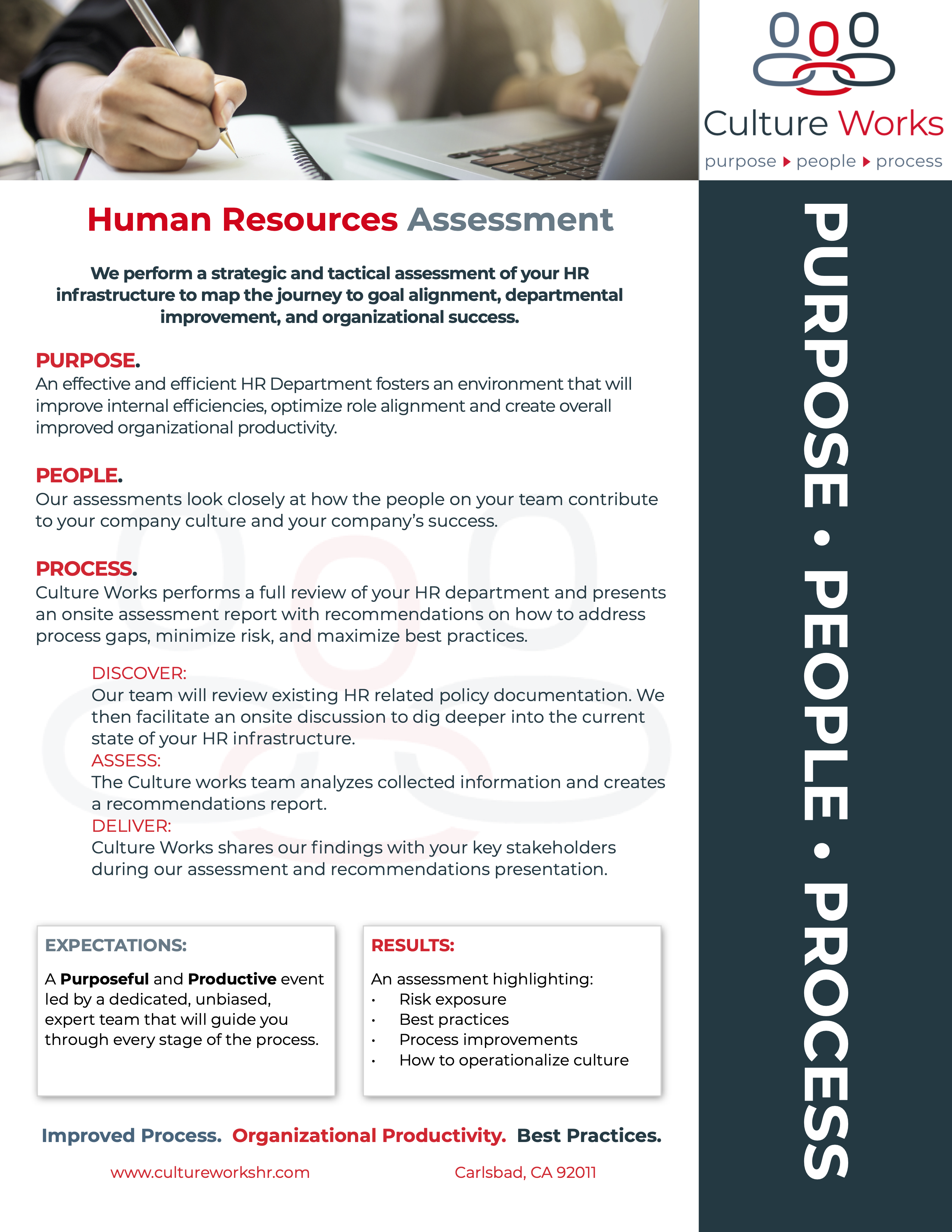
Taking the time to hire the right people will have a host of benefits in the long run. Finding the best fit may not be as easy as a gut feeling and a round of interviews. Luckily, Culture Works is here to help.
At Culture Works, our team is focused on value and role alignment. Our team creates processes for your hiring manager to implement that make the hiring process efficient and effective. We carefully review and screen each candidate, administer customized assessments, and deliver value and role-aligned people to fit your needs.Read on to learn more about what we do. Then, read on to learn how to build trust with your employees.