What Metrics Should Companies Care About?

When running a successful business, it’s essential to measure the right things. Monitoring key metrics can provide valuable insights into various aspects of your company, from employee satisfaction to recruitment efficiency. Knowing what to track enables HR and management teams to make informed decisions, ultimately fostering a healthy and productive work environment.
Here are four key metrics that HR and management should pay attention to, along with explanations and suggestions for optimizing them:
1. Employee Net Promoter Score (eNPS)
The Employee Net Promoter Score (eNPS) is one of the most effective ways to gauge employee satisfaction and engagement. It asks employees a simple question: How likely are you to recommend this company as a place to work?
How It Works:
Employees are asked to rate their likelihood of recommending your company to others on a scale from 0 to 10. Based on their scores, employees are categorized into three groups:
- Promoters (9-10): Highly engaged and enthusiastic employees who are likely to recommend the company to others.
- Passives (7-8): Satisfied but not particularly enthusiastic employees. They may be open to leaving if a better opportunity arises.
- Detractors (0-6): Disengaged employees who are unlikely to recommend your company and may even actively discourage others from joining.
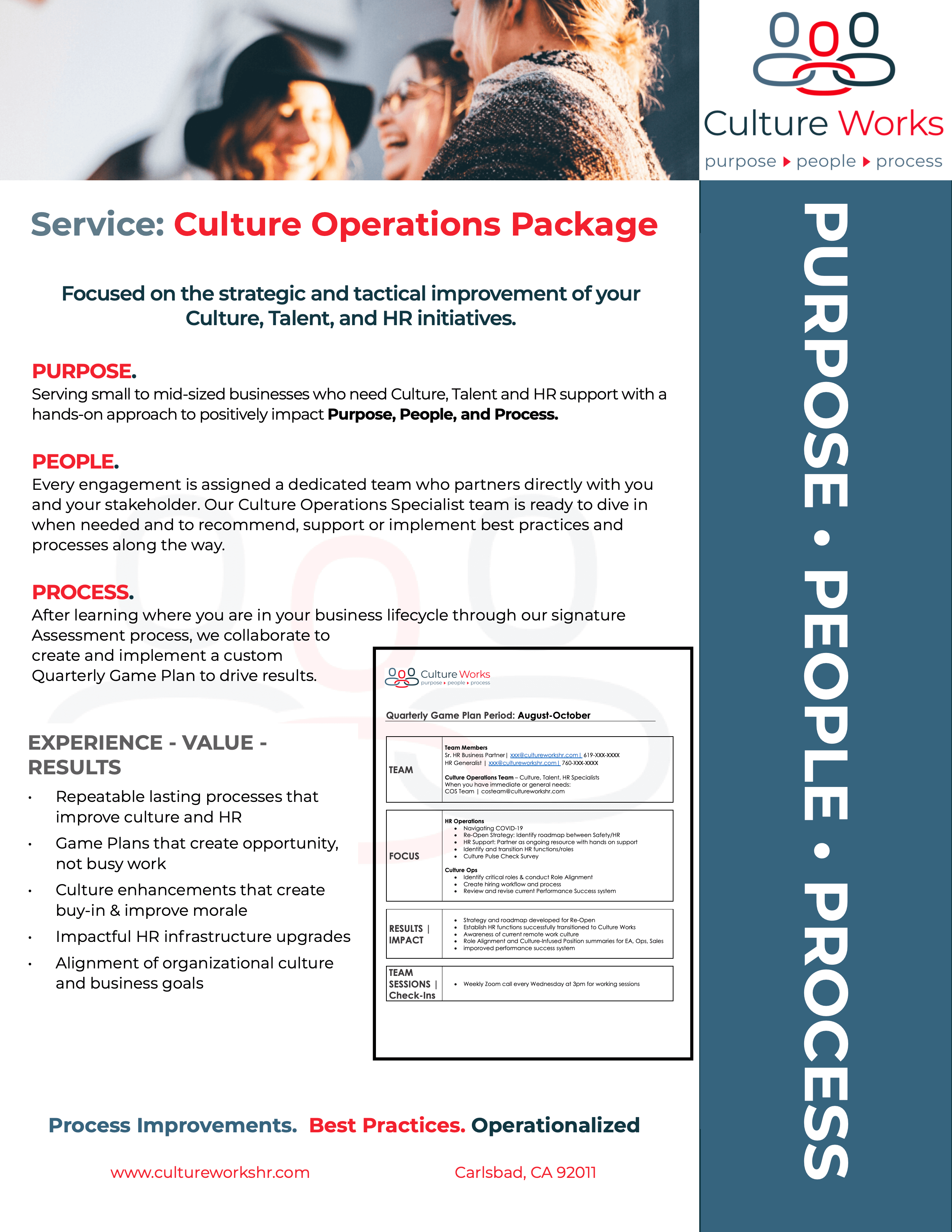
The eNPS is calculated by subtracting the percentage of detractors from the percentage of promoters.
Why It Matters:
A high eNPS indicates that employees are happy, engaged, and likely to stay with your company. On the other hand, a low score might suggest that there are issues with company culture, leadership, or employee satisfaction that need to be addressed. Regularly checking your eNPS can help you track employee sentiment over time and quickly identify areas that need improvement.
Example:
If your eNPS is 50%, it means you have 50% more promoters than detractors. This is generally considered a strong score, but any significant dips should be a signal to investigate underlying issues.
2. Recruitment Indicators
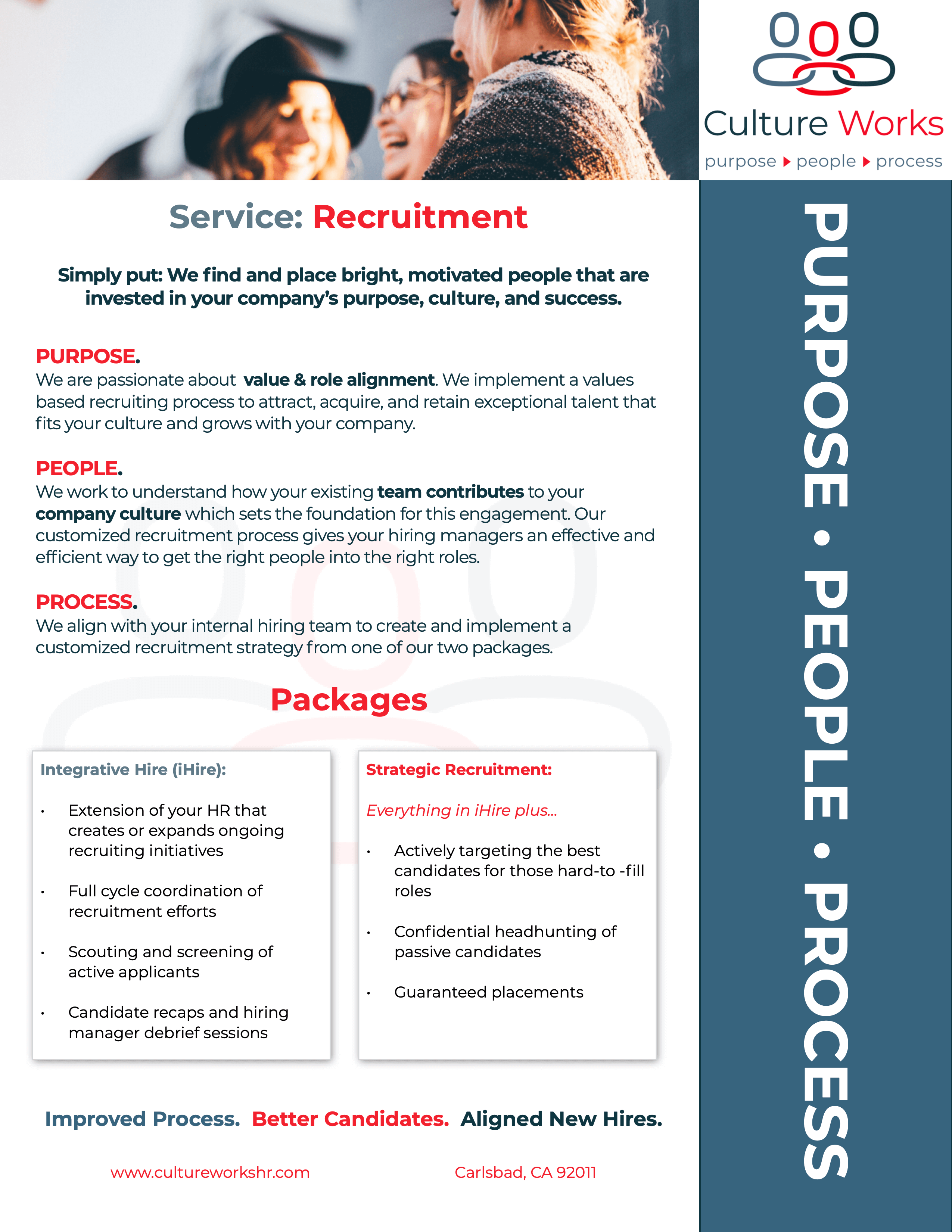
Recruitment metrics are crucial for understanding how well your hiring processes are working. They help identify whether you’re attracting the right candidates and filling positions efficiently.
Key Indicators to Track:
- Quality of Hire: This metric evaluates the performance of new hires over time. If new employees aren’t meeting expectations or struggling to adjust to the company culture, it may point to issues in the recruitment process, such as mismatched job descriptions or poor candidate screening.
- Cost per Hire: This is the total cost of recruiting and hiring new employees, divided by the number of hires made during a specific time frame. A high cost per hire can be a red flag, indicating inefficiencies or over-spending on recruitment channels.
- Time to Fill: This measures how long it takes, on average, to fill an open position. A longer time to fill can be costly, as it may leave roles unfilled and disrupt the flow of work. A prolonged recruitment process could signal inefficiencies, or that the company isn’t attracting the right talent.
Why They Matter:
Tracking these metrics helps streamline your hiring processes. By reducing time to fill, improving quality of hire, and optimizing hiring costs, you ensure that your recruitment efforts align with your business goals. Efficient hiring leads to a faster, more agile company with the right talent in place to succeed.
Example:
If your time to fill is over 60 days for a key role, it might be time to revisit your sourcing strategies and interview processes. Similarly, if new hires are underperforming, it could suggest the need for a better onboarding or training program.
3. Turnover Rates
Employee turnover measures how often employees leave your company, and it’s a key indicator of retention and workplace health. Understanding turnover rates and their associated costs can highlight issues like poor onboarding, low morale, or inadequate compensation.
How to Calculate Turnover Rates:
Divide the number of employees who leave during a specific period by the average number of employees in that period, then multiply by 100 to get a percentage.
Why Turnover Costs Matter:
Turnover isn’t just about rates—it’s also about costs. When employees leave, the expenses can add up quickly:
- Recruitment and Hiring: Mid-sized businesses spend $4,000–$7,000 per hire; small businesses spend $1,000–$2,500.
- Onboarding and Training: Mid-sized companies spend $1,000–$2,500 per employee, while smaller ones spend $500–$1,500.
- Productivity Loss: Vacant roles or less-experienced replacements lead to temporary productivity dips, costing up to 200% of an employee’s annual salary.
What Turnover Rates Tell You:
- High Turnover Rates: Point to problems like poor leadership, low pay, or limited growth opportunities.
- Low Turnover Rates: Suggest employees are satisfied, motivated, and loyal.
Example Insight:
If employees leave within the first six months, it may signal a need to improve onboarding or training processes. Addressing these issues can lower costs and foster a more stable workforce.
4. Learning and Development (L&D) Metrics
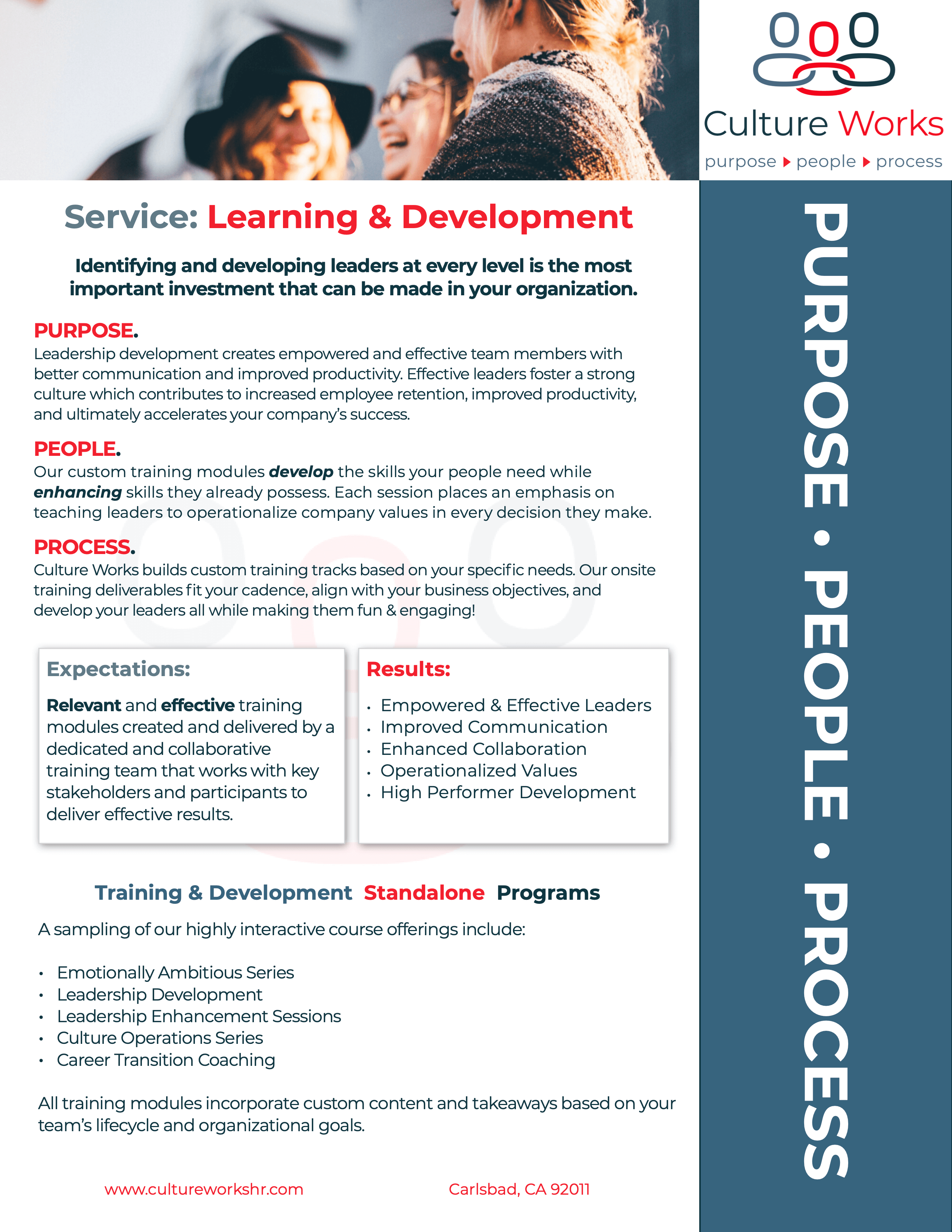
Investing in employee development is essential for building a strong workforce. Tracking learning and development (L&D) metrics helps you gauge the effectiveness of your training programs and the overall growth of your employees.
Key Metrics to Track:
- Training Completion Rates: This metric tracks how many employees successfully complete the training programs you offer. High completion rates indicate that employees are engaged and committed to their development.
- Skill Acquisition: This measures whether employees are gaining the skills necessary to perform their jobs effectively. You can track this by assessing pre- and post-training assessments or tracking the adoption of new tools or technologies.
- Employee Performance Post-Training: After training programs, it’s important to assess whether employees’ performance improves. Metrics like productivity, quality of work, and customer satisfaction can indicate whether training is having a positive impact.
Why It Matters:
Investing in L&D demonstrates your commitment to employee growth, which can lead to increased job satisfaction and retention. Tracking these metrics allows you to continuously improve your training programs to better meet the needs of your employees and ensure that your investment yields results.
Example:
If you notice that employees who complete a customer service training program are consistently outperforming their peers in customer satisfaction scores, it’s an indication that your L&D efforts are having a positive impact on performance.
Final Notes
By monitoring key metrics such as eNPS, recruitment indicators, turnover rates, and L&D metrics, you can gain valuable insights into your company’s performance and culture. These metrics help HR and management teams make data-driven decisions, improve employee satisfaction, and build a more effective and engaged workforce.
Need help tracking your HR metrics and KPIs?
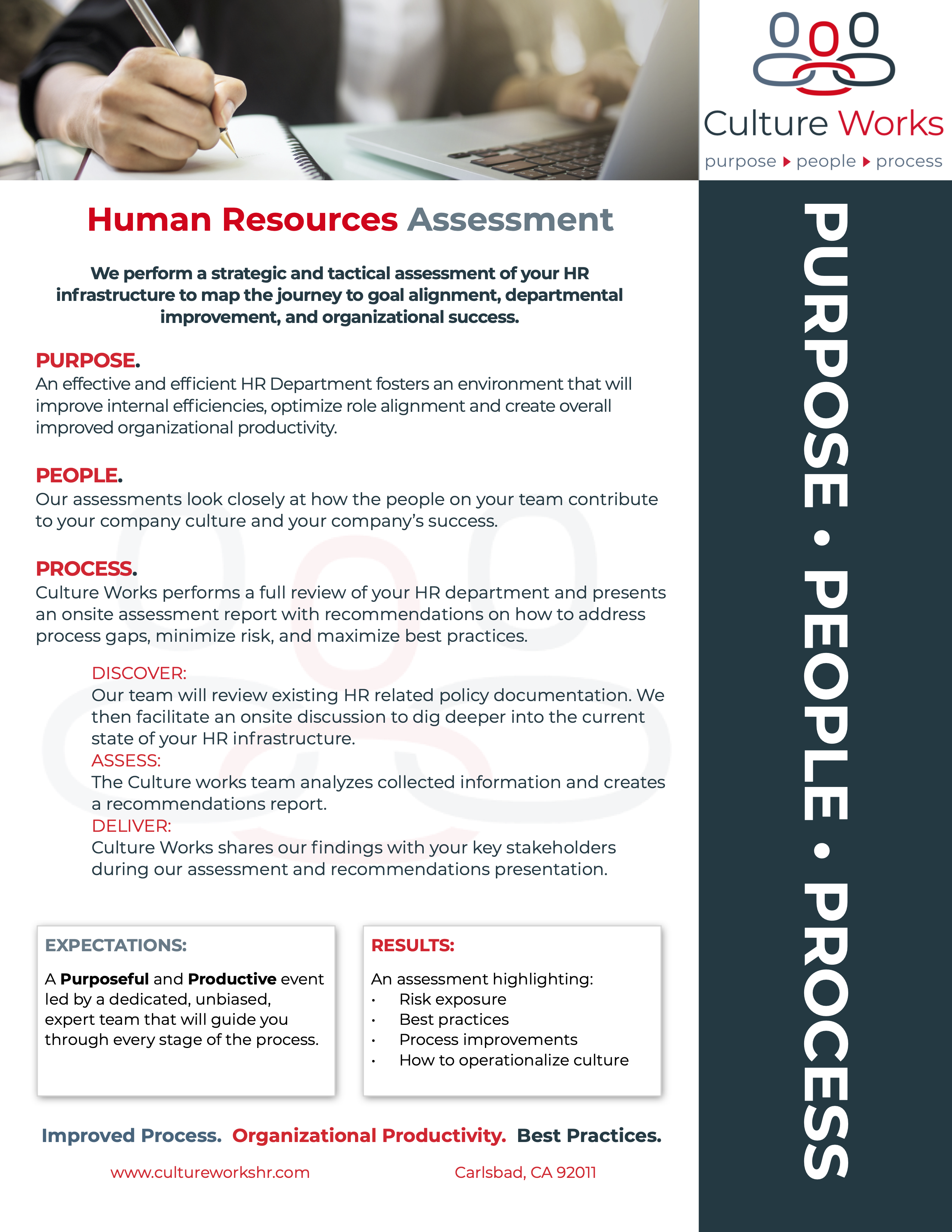
At Culture Works, we specialize in helping organizations optimize their workplace culture by aligning purpose, values, and leadership. Our culture assessments can help you develop a culture strategy that promotes engagement, boosts retention, and ensures a productive work environment.Read on for more information about our culture assessment and other services. Then, check out our article to learn how to bring emotional intelligence into the workplace.