Developing Managers into Leaders: A Friendly Guide to Learning, Training, and Growth

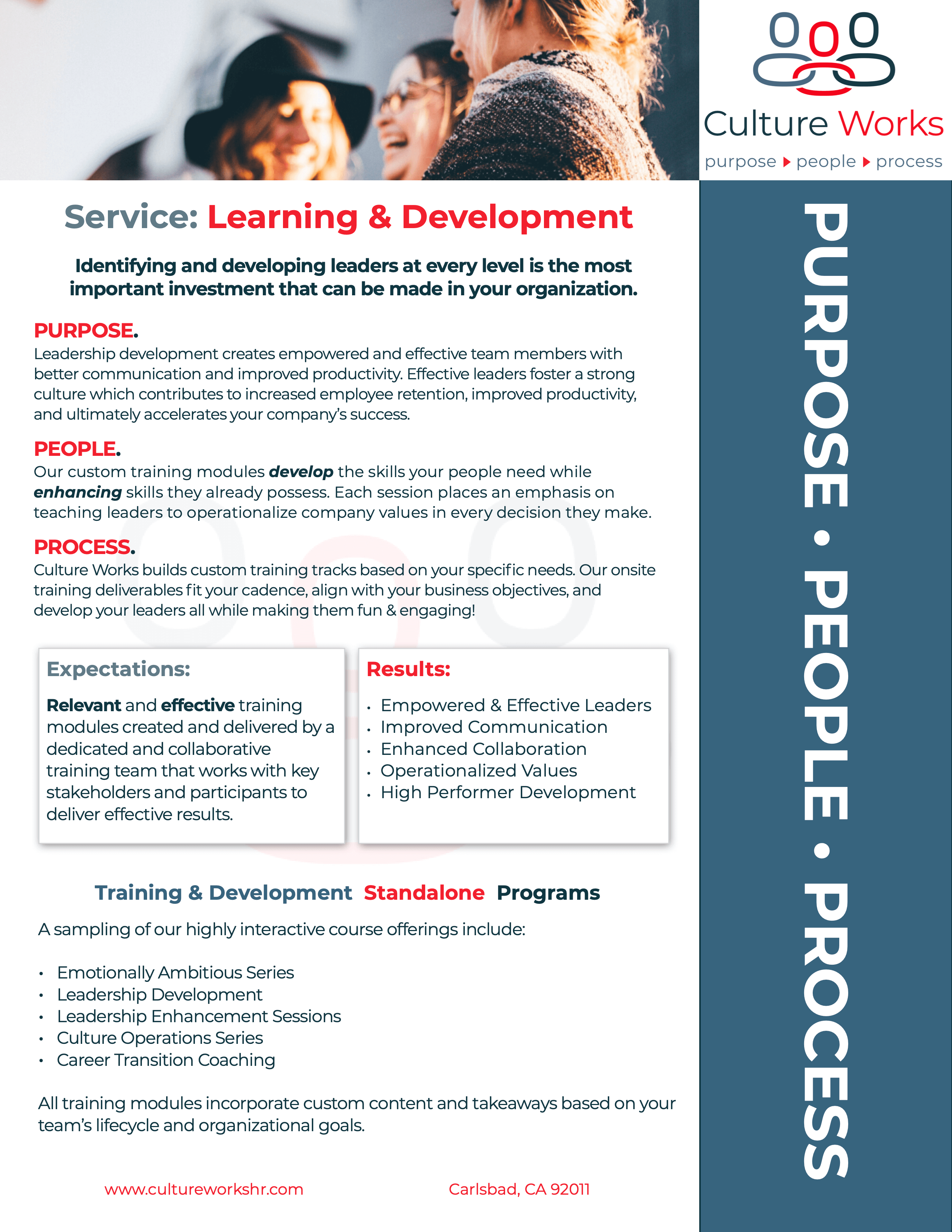
Transforming managers into leaders involves more than just technical skills; it’s about nurturing their ability to inspire, communicate, and drive meaningful change. While managers focus on processes and tasks, leaders bring vision and motivation to the table. They build strong relationships, foster a supportive environment, and steer their teams toward success.
So, how can you help your managers evolve into impactful leaders? Let’s explore practical strategies to guide them on this transformative journey (hint: it’s not just about sending them to a conference.)
Key Areas for Development
To effectively turn managers into leaders, focus on three critical areas: cultivating leadership skills, enhancing communication, and building strong team dynamics. Each area plays a vital role in developing the qualities necessary for leadership.
1. Cultivating Leadership Skills
Developing leadership skills is essential for managers to step up as leaders. Here’s how to get started:
- Encourage Vision: Help managers learn to set a clear vision and communicate it effectively to their teams. A strong vision aligns everyone’s efforts and inspires action.
- Promote Emotional Intelligence: Leaders need to connect with their teams on an emotional level. Training in emotional intelligence helps managers understand and manage their own emotions and those of their team members.
- Develop Decision-Making Abilities: Leaders often face tough choices. Equip managers with decision-making frameworks and encourage them to analyze situations from multiple angles.
2. Enhancing Communication
Effective communication is a cornerstone of good leadership. Here’s what to focus on:
- Active Listening: Teach managers the art of active listening. It’s not just about hearing words but understanding the underlying messages and emotions.
- Clear Messaging: Ensure managers can convey information clearly and concisely. Good communication avoids misunderstandings and keeps everyone on the same page.
- Feedback Skills: Train managers to give and receive feedback constructively. Feedback should be a tool for growth, not criticism.
3. Building Team Dynamics
A great leader knows how to build and maintain a cohesive team. Here’s how to strengthen team dynamics:
- Foster Collaboration: Encourage managers to create an environment where team members collaborate and share ideas. Collaboration leads to innovation and better problem-solving.
- Address Conflicts: Equip managers with conflict resolution skills. Addressing conflicts promptly and fairly helps maintain a positive work environment.
- Recognize and Reward: Teach managers the importance of recognizing and rewarding team achievements. Acknowledgment boosts morale and motivates employees to perform at their best.
With the key areas of development in mind, let’s shift our focus to some essential leadership fundamentals.
Practical Tips for Effective Leadership
Avoiding Burnout
Burnout is a significant concern for leaders, and it can affect their performance and well-being. Here’s how to manage it:
- Identify Causes: Burnout can stem from various sources, such as excessive workload or lack of support. Encourage managers to regularly assess their workload and identify stressors. Provide tools or assessments to help them pinpoint the root causes of burnout.
- Differentiate Stress from Burnout: Stress is typically short-term and manageable, while burnout is more persistent and requires deeper intervention. Offer training on recognizing signs of burnout and provide resources for managing stress, such as mindfulness techniques or stress management workshops.
- Set Boundaries: It’s crucial for managers to set boundaries between work and personal life to prevent burnout. Encourage them to establish clear work hours, take regular breaks, and engage in activities that help them recharge. Provide resources on work-life balance and support their efforts to maintain healthy boundaries.
Managing Projects Successfully
Effective project management is a key aspect of leadership. Here’s how to excel:
- Break Down Goals: Large projects can be overwhelming, so it’s important to break them into smaller, manageable tasks. Teach managers how to create project plans that outline specific milestones and deliverables. Use project management tools like Gantt charts or Kanban boards to help track progress.
- Manage Expectations: Keeping stakeholders informed helps manage their expectations and reduces surprises. Encourage managers to provide regular updates on project status, address any issues promptly, and set realistic deadlines. Develop communication plans that outline how and when stakeholders will be updated.
- Set Realistic Deadlines: Unrealistic deadlines can lead to stress and subpar results. Help managers set achievable deadlines by considering the scope of work, available resources, and potential obstacles. Encourage them to build in buffers for unforeseen challenges and regularly review progress to adjust timelines as needed.
Building a Cohesive Team
A high-performing team is built with:
- Camaraderie: Create a work environment where team members genuinely enjoy working together. This can be achieved through team-building activities, regular social events, and fostering a positive team culture. Encourage managers to create opportunities for team members to bond and collaborate outside of their regular tasks.
- Addressing Negative Behavior: Negative behavior can impact team morale and productivity. Equip managers with strategies for addressing and correcting such behavior early. Provide training on handling difficult conversations and implementing performance improvement plans when necessary.
- Inspiring Dedication: Help team members see how their work contributes to the company’s goals. Encourage managers to communicate the impact of each team member’s role and celebrate their contributions. Use tools like goal-setting frameworks or performance reviews to align individual efforts with organizational objectives.
Boosting Productivity
To maximize productivity:
- Explore Techniques: Identify productivity techniques that work best for your team, whether it’s time management methods like the Pomodoro Technique or productivity apps that track progress. Encourage managers to experiment with different techniques and share their findings with their teams.
- Transform Habits: Developing productive habits is key to long-term success. Help managers identify and reinforce habits that support productivity, such as setting daily priorities, minimizing distractions, or using productivity tools. Provide resources on habit formation and support managers in implementing these practices.
- Conduct Effective Meetings: Meetings should be purposeful and efficient. Encourage managers to set clear agendas, establish goals for each meeting, and ensure that discussions remain focused and productive. Offer training on meeting facilitation techniques and provide templates for effective meeting agendas.
Final Notes
Transforming managers into leaders is a journey that involves developing various skills and strategies. By focusing on leadership fundamentals, effective learning and training, and fostering a supportive culture, you can guide your managers toward becoming impactful leaders. Embrace these approaches, and you’ll see your team grow and thrive, driving success and innovation in your organization.
Remember, developing leaders is an ongoing process that requires commitment and support. Invest in your managers’ growth, and they will, in turn, drive the success of your organization.
Learn More About Culture Works
At Culture Works, we want to partner with your company to create success for your team– whatever that looks like for your specific company. Our passionate HR team has the experience you need in culture ops and hospitality to create success. Our approach is centered upon the importance of humanizing, customizing, and simplifying. We believe in what we do, and we want to help your company operationalize culture, talent, and HR to create ongoing success. Read on to learn more about what we do.